Mirrai Careers
Resume With No Experience: How to Write One That Works (2026)
35% of "entry-level" jobs require 3+ years of experience. That is insane, but it is reality. Here is how to write a resume when you have nothing to put on it.

35% of jobs labeled "entry-level" require 3+ years of experience (LinkedIn Economic Graph). In tech, that figure exceeds 60%. Only 30% of 2025 college graduates secured entry-level jobs in their fields (Cengage Group). The system is broken for people starting out, and no amount of resume polish fixes a structural problem.
Asking for 3 years of experience for an entry-level job is like requiring a driver's license to take a driving lesson. Everyone knows it makes no sense. Nobody fixes it.
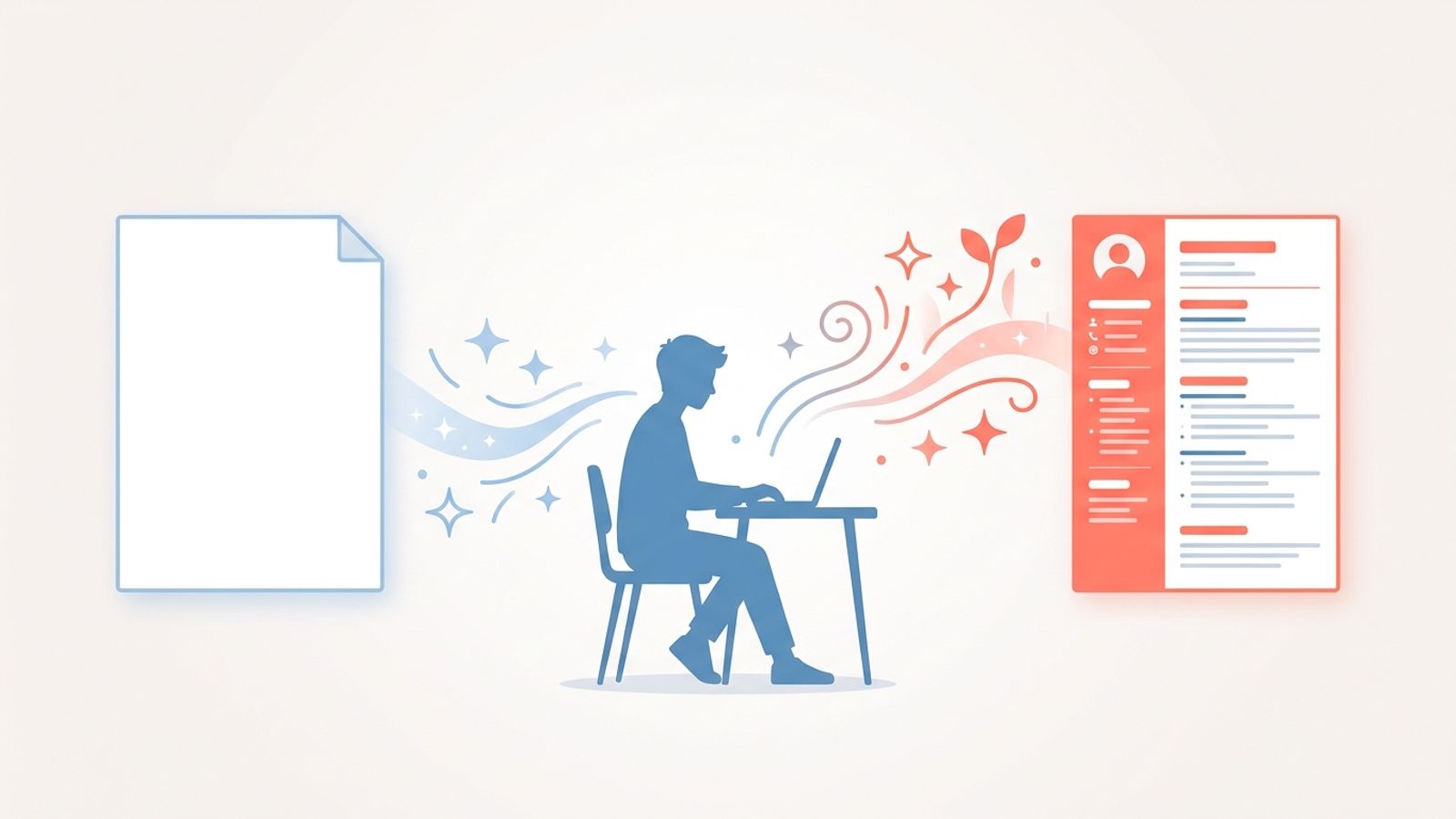
But you still need a resume. And the anxiety of staring at a blank page thinking "I have nothing to put here" is real. You have more than you think. School projects, volunteer work, part-time gigs, online communities you managed, events you organized. The difference between "no experience" and "a solid entry-level resume" is how you frame what you already did.
Mirrai Careers
Match your resume to any job in seconds
Upload your resume, paste a job description, see your match score.
Try FreeFree month of Pro with code LAUNCH
What to Put on a Resume When You Have No Work Experience
When you can't lead with work history, lead with everything else:
| Section | What Goes Here | Why It Works |
|---|---|---|
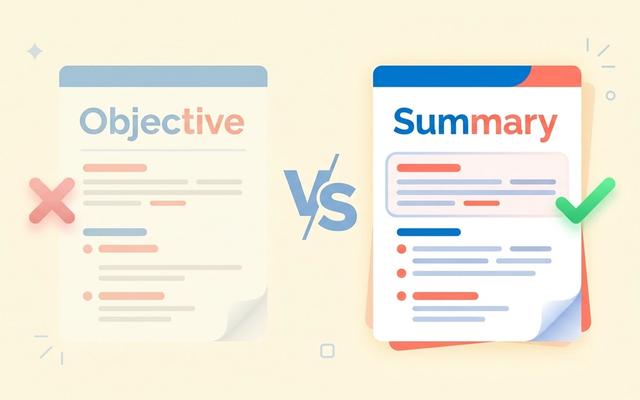
| Professional Summary | 2-3 sentences: your skills, what you studied, what you offer | Gives the recruiter context before they notice the thin experience section |
| Education (expanded) | Degree, school, GPA (if 3.5+), relevant coursework, honors, capstone projects | Your strongest credential. 15% more detail in education increases interview rates (Enhancv) |
| Projects | Class projects, personal projects, hackathons, portfolio work | Demonstrates applied skills. Title + timeframe + problem solved + tools used |
| Volunteer Experience | Format exactly like paid work: title, organization, dates, achievement bullets | 82% of hiring managers prefer candidates with volunteer experience. You are 27% more likely to get hired. |
| Skills | 5-10 skills mixing hard + soft, pulled from the job description | 76% of recruiters start ATS searches with skills keywords. No skills section = invisible resume |
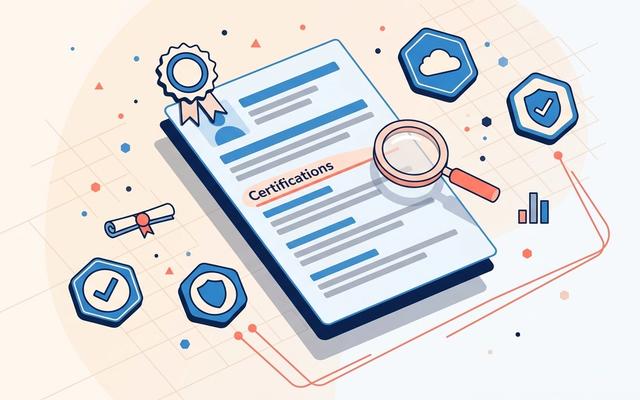
| Certifications | Google certificates, Coursera, freeCodeCamp, HubSpot Academy | Shows initiative. 79% employment rate for coding bootcamp graduates |
| Extracurriculars | Club leadership, student government, peer tutoring, sports teams | Demonstrates soft skills through real context |
How to Reframe What You Already Have
You have experience. You just haven't written it in resume language yet. The formula: action verb + what you did + measurable result.
| What You Did | What You Write |
|---|---|
| Babysat for neighbors | Childcare Provider | Managed scheduling for 4 families, maintained safety protocols for children ages 2-8 |
| Ran a Discord server | Community Administrator | Managed online community of 500+ members, enforced guidelines, organized weekly events |
| Made YouTube videos | Content Creator | Produced 50+ videos, grew subscriber base to 2,000+, maintained weekly publishing schedule |
| Helped at a food bank | Volunteer Coordinator | City Food Bank | Implemented check-in system reducing wait times by 15 min. Served 200+ families weekly |
| Did a class project | Market Analysis Project | Conducted competitive research across 5 brands, delivered strategic brief with recommendations for market entry |
| Tutored younger students | Academic Tutor | Provided one-on-one math tutoring to 8 students, improving average test scores by 20% |
| Organized a fundraiser | Event Coordinator | Student Council | Organized fundraiser collecting $5,000 for local charities with team of 6 |
Nothing on this list requires a formal employer. Every entry uses the same format as a "real" job: title, context, achievement with numbers.
Resume for Your First Job
First job application ever? One page. This structure:
- Contact info (professional email, phone, LinkedIn if you have one)
- Summary: 2 sentences about your skills and what role you want
- Education: degree/school, GPA if 3.5+, relevant coursework (4-6 courses)
- Projects or Volunteer Experience: 2-3 entries formatted like jobs
- Skills: hard skills first (tools, languages, software), then soft skills
- Optional: certifications, extracurriculars, languages
One page is a hard rule for entry-level. You don't have enough content for two, and a half-empty second page looks worse than a tight one-pager.
Name the file FirstName_LastName_Resume.pdf. 76% of resumes with unprofessional emails get ignored (Enhancv). Use firstname.lastname@gmail.com, not gamer_tag_2006@hotmail.com.
The Good News: Skills-Based Hiring
Here's something working in your favor. 70% of employers now use skills-based hiring, up from 65% last year (NACE Job Outlook 2026). 61% of hiring managers prioritize skills over experience for entry-level candidates. Degree requirements dropped 33% across mid-skill roles between 2019 and 2025.
Translation: what you can do matters more than where you did it. A Google Data Analytics certificate, a portfolio of Python projects, or a demonstrated ability to write clearly can outweigh "2 years of experience" that you don't have.
Skills-first resume formatting improves ATS pass rates by 40% (multiple sources). Put your skills section high on the page, right after education. Make sure every skill matches language from the job description.
Common Mistakes on No-Experience Resumes
- Leaving the experience section blank. Rename it "Relevant Experience" and fill it with volunteer work, projects, freelance.
- "Looking for a position where I can gain experience." Every word is about you, not the employer. Replace with what you bring.
- Listing "Microsoft Word" and "teamwork" as skills. These aren't differentiators. Name specific tools: "Google Analytics, Canva, Python, SQL."
- Using a two-column Canva template. 13% parsing accuracy in Workday (Reddit ATS experiment). Use single-column Word or Google Docs.
- Applying to 200 jobs with the same resume. Tailored resumes get 6x higher interview rate (Teal, 3.2M users). Customize for each role.
- Not networking. Cold applications have 1-2% success rate. Referrals: 20-40%. One warm introduction beats 50 cold applications.
Entry-Level Jobs That Want 3 Years of Experience
35% of entry-level jobs require experience you can't have because you haven't had an entry-level job yet. Apply anyway. Job requirements are wish lists, not checklists. If you match 60-70% of the listed qualifications, you are a viable candidate.
Knowing requirements are wish lists only helps if you can tell which postings you actually clear 60-70% of, and which "entry-level" ones are fantasy gatekeeping. Reading them one by one is slow. A search that ranks live openings against your resume sorts that for you: the entry-level and junior roles where your projects, coursework, and part-time work already cover most of the list float to the top, and the ones demanding five years for a starter salary sink. Mirrai's AI Job Search reads roles straight from company career pages and shows the match, so you spend your applications on the ones a no-experience candidate can realistically land.
The interview-to-hire funnel in 2026: 400-600 applicants per entry-level posting, 5 get interviewed, 1 gets hired. Interview rates dropped from 15.3% in 2016 to 3% in 2024 (Jobvite/CareerPlug). Grim. But 90% of organizations plan to maintain or grow entry-level hiring in 2025 (NACE). The jobs exist. Getting one is the hard part.
Two things improve your odds more than anything: a tailored resume (6x interview rate) and a referral (20-40% success rate). Both are free.
Build your first resume with the right structure. Try Mirrai's free Resume Builder. It handles ATS formatting automatically, even with limited experience.
Before you leave
See how your resume stacks up
Paste any job description and get your match score in 30 seconds.
Try FreeFree month of Pro with code LAUNCH
FAQ
What if I genuinely have zero experience of any kind?
Should I include high school on my resume?
Do unpaid internships count as experience?
How do I compete with candidates who have experience?
Should I use a functional resume to hide my lack of experience?
How do I find entry-level jobs that don't secretly require experience?
Check how your resume matches specific job descriptions. See your ATS score in 30 seconds.
Once your resume is ready, the next step is how to apply for a job (the process matters as much as the resume). And prepare for the interview question you'll definitely get: "tell me about yourself".