Mirrai Careers
How to Prepare for an Interview: What Most People Skip (2026)
70% of hiring managers say being unprepared is the #1 candidate mistake. A practical checklist for phone, video, second round, and in-person interviews.

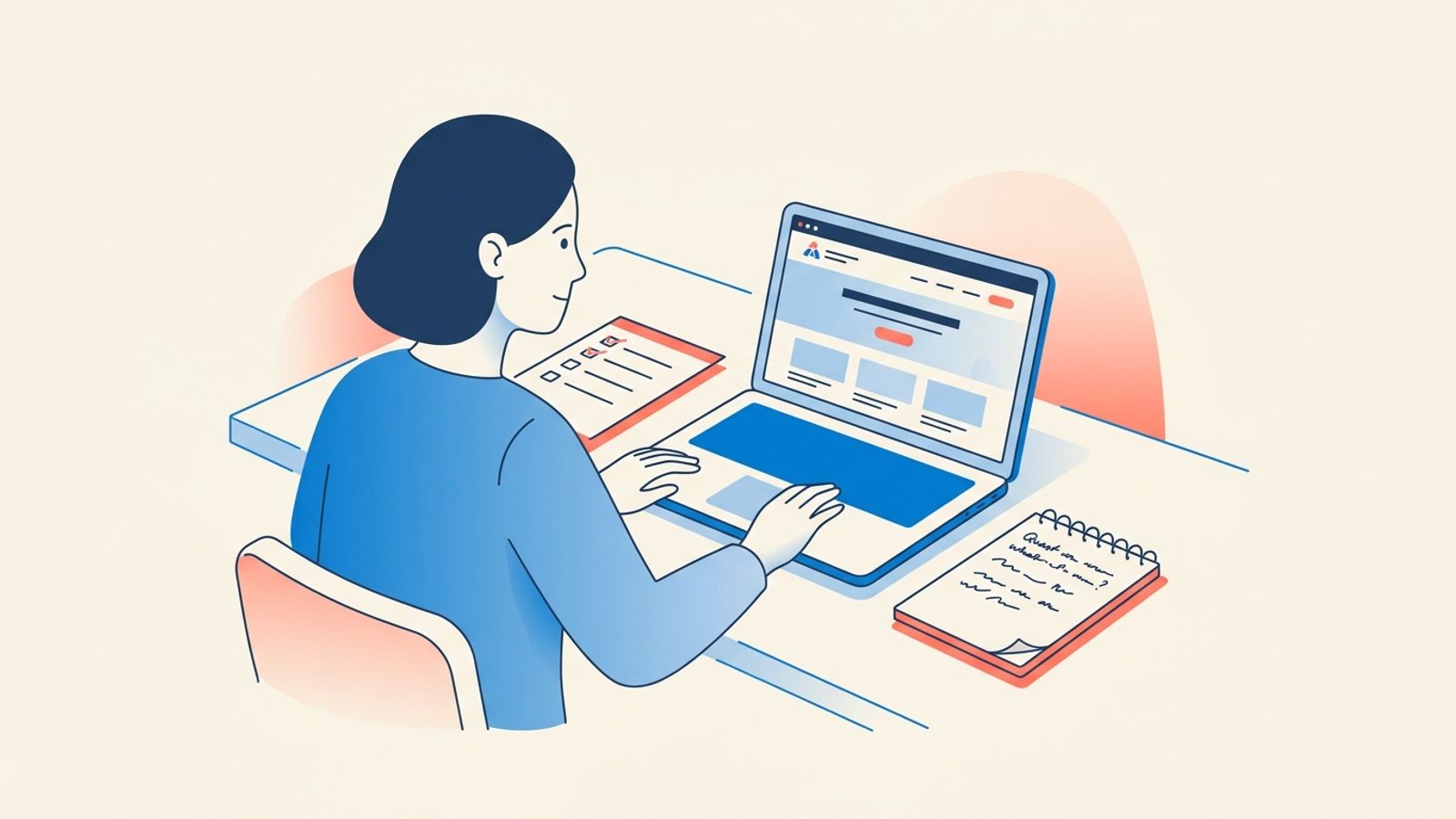
70% of hiring managers say being unprepared is the most common candidate mistake (TopInterview survey). 47% of interview failures come from insufficient company knowledge (flair.hr). Only 32% of job seekers practice with mock interviews (High5 Test). And 46% of candidates don't even research the company before walking in (Indeed, 2024).
The people who get hired aren't always the most qualified. They're the ones who showed up prepared when half the competition didn't. Interview prep is one of the few things in the hiring process that's completely in your control. Most of the rest is luck, timing, and bias.
Mirrai Careers
Match your resume to any job in seconds
Upload your resume, paste a job description, see your match score.
Try FreeFree month of Pro with code LAUNCH
How to Prepare for an Interview (The Checklist)
Do this before every interview. Takes 30-60 minutes.
Research the Company (10-15 min)
Not "skim the About page." Actually understand:
- What the company does and who their customers are
- Recent news: funding rounds, product launches, layoffs, leadership changes (Google the company name + last 30 days)
- Their competitors and where they sit in the market
- The team you'd be joining, if you can find it on LinkedIn
You don't need to memorize their annual report. You need enough context to say something specific when they ask why you want to work there. "I was impressed by your Series B and the direction you're taking the product" beats "I really like your company culture" every time.
Study the Job Description (5-10 min)
Re-read it. Highlight the top 5 requirements. For each one, prepare a specific example from your experience that proves you can do it. This is your ammunition for behavioral questions.
If you haven't already tailored your resume to this JD, do it now: how to tailor your resume to a job description.
Prepare Your Answers (15-20 min)
You know what they're going to ask. At minimum, prepare answers for:
- "Tell me about yourself" (60-90 seconds, present-proof-purpose)
- "What are your strengths and weaknesses?" (specific examples with numbers)
- "Why do you want this job?" (connect your background to the role)
- "Tell me about a time when..." (2-3 STAR stories ready to go)
- 3-5 questions to ask them
We have detailed guides for each of these: tell me about yourself, strengths and weaknesses, and questions to ask the interviewer.
Logistics (5 min)
- Confirm the time, date, and format (phone, video, in-person)
- If video: test your camera, mic, lighting, and internet connection the day before, not 5 minutes before
- If in-person: know the address, parking situation, and plan to arrive 10-15 minutes early
- Have a copy of your resume, a notebook, and a pen (yes, even for video calls)
Job Interview Tips That Actually Work
"Be confident." "Dress professionally." "Make eye contact." Thanks. Groundbreaking. Here's what actually makes a measurable difference.
Apply early and interview early. Candidates interviewed in the first batch have a statistical advantage. Later interviews blur together in the hiring manager's memory. If they offer you a choice of interview slots, take the earliest one.
Use numbers in every answer. "I managed a team" is forgettable. "I managed a team of 8 across two time zones" is concrete. Numbers make your answers memorable and verifiable. Even approximate numbers work.
Match their energy. If the interviewer is casual, don't be stiff. If they're formal, match it. This isn't about being fake. It's about showing you can read a room. People hire people they can picture working with.
Don't fill silence. When you finish an answer, stop. The instinct is to keep talking because silence feels awkward. But rambling after you've made your point weakens the answer. Say your piece and let them respond.
Take notes. Almost nobody does this. Ask "do you mind if I take notes?" at the start. Nobody says no, and you instantly look more serious than the last 5 people they interviewed.
Phone Interview Tips
Phone screens are usually 20-30 minutes with a recruiter. The bar is lower than a full interview, but 30% of candidates still fail this stage because they treat it as a casual call.
- Stand up or sit at a desk. Lying on the couch changes your voice and energy. The recruiter can hear it.
- Have your resume, the job description, and your notes in front of you. This is the one interview where you can literally read your prep without anyone knowing.
- Smile while you talk. It sounds ridiculous. It changes your tone. Recruiters conducting 15 phone screens a day notice the difference.
- Keep a glass of water nearby. Dry mouth from nerves is real and a phone screen is the worst place for it because there's no visual distraction.
- Don't multitask. The recruiter can hear you typing, walking around, or doing dishes. Full attention, even if they can't see you.
Phone screens filter on three things: can you communicate clearly, are you genuinely interested in the role, and are you qualified at a basic level. That's it. Answer those three questions and you advance.
Video Interview Tips
Video interviews are standard in 2026. Roughly 86% of companies use them at some stage (Owl Labs, 2023). The format adds technical and visual variables that don't exist in person.
- Camera at eye level. Laptop cameras point up at your chin by default. Stack some books under it. This one detail changes how professional you look more than anything else.
- Light source in front of you, not behind you. A window behind your head turns you into a silhouette. A lamp or window in front of you lights your face.
- Plain background. A bookshelf is fine. A pile of laundry is not. Virtual backgrounds glitch and look unprofessional unless the software handles them flawlessly.
- Close every other app. Notifications, Slack pings, email pop-ups. All of them. One "sorry, let me just..." moment breaks your focus and the interviewer's.
- Look at the camera, not the screen. This is counterintuitive because you want to watch the interviewer's face. But looking at the camera is what creates eye contact on their end. Practice this.
- Test everything 24 hours before. Not the morning of. If your mic doesn't work, you need time to fix it, not a panicked 2 minutes before the call starts.
Second Interview Questions: What Changes
If you got a second interview, they already think you can do the job. Now they're deciding whether they want to spend 40 hours a week with you.
What to expect:
- More people in the room. You might meet the team, a skip-level manager, or cross-functional stakeholders.
- Deeper questions. Instead of "tell me about yourself" you'll get "walk me through how you'd handle [specific scenario]."
- Culture fit evaluation. First round checks skills. Second round checks whether people want to work with you 40 hours a week.
- You may be asked to present something: a case study, a portfolio walkthrough, a problem-solving exercise.
Prepare differently for a second interview:
- Review your first-round answers. They'll reference them. If you said "I led a redesign project" in round one, expect "tell me more about that redesign" in round two.
- Prepare deeper stories. Round two behavioral questions dig into specifics: "What went wrong? What would you do differently? How did the team react?"
- Research the people you're meeting. LinkedIn profiles take 2 minutes. Knowing their background lets you connect on specifics instead of generics.
- Bring tougher questions. Your round-two questions should reflect that you're evaluating the role seriously, not just hoping for an offer.
After the second round, send a thank-you email within 24 hours. Templates: thank you email after interview.
Interview Tips for Introverts
Interviews are designed for extroverts. The entire format rewards fast talking, high energy, and performing under pressure. If that's not how you operate, you're not broken. The process is just poorly designed for half the population.
That said, you still need to get through it. Tactics that help:
- Prepare more, improvise less. Introverts do worse when improvising under pressure but do just as well or better when prepared. This is backed by personality research on conscientiousness and interview performance. Write out your key answers and practice them until the structure feels natural.
- Use the pause. When you need a moment to think, say "that's a good question, let me think about that for a second." This buys you time and signals thoughtfulness, not uncertainty. Extroverts fill silence with filler words. You can fill it with a better answer.
- Request the agenda in advance. Email the recruiter and ask what topics will be covered or who you'll be meeting. Most will share this. It dramatically reduces the unknown variables that drain introverts.
- Schedule energy recovery. If you have a panel interview at 2 PM, don't schedule a busy morning. Protect your energy. Block 30 minutes before the interview for quiet prep.
- Lean into your strengths. Introverts tend to be better listeners, more thoughtful in responses, and more attentive to detail. These are genuine advantages in interviews. The hiring manager who gave you the job didn't pick you because you were the loudest person in the room.
If you're not sure how your personality maps to different career paths, our career assessment factors in working style preferences alongside skills.
Before you leave
See how your resume stacks up
Paste any job description and get your match score in 30 seconds.
Try FreeFree month of Pro with code LAUNCH
FAQ
How long should I spend preparing for an interview?
Should I prepare differently for a startup vs a large company?
What if I get a question I didn't prepare for?
Is it okay to bring notes to an interview?
Prepare for interviews with data, not guesswork. Mirrai's career assessment shows you your strengths, gaps, and how they map to what employers are looking for.