 Mirrai Careers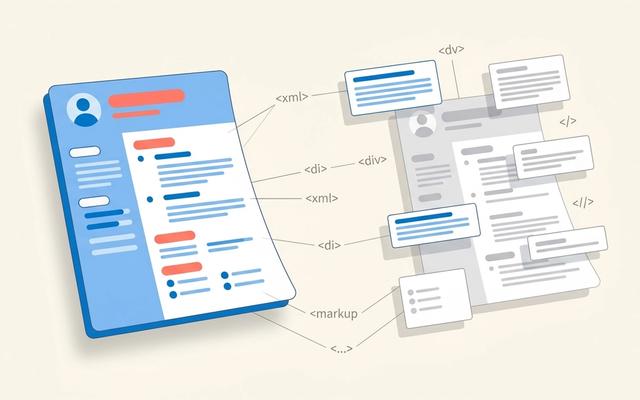
PowerPoint Resume Templates: Why They Mostly Fail and 3 Cases Where They Work (2026)
PowerPoint stores resume text as separate slide objects. ATS reads them in creation order, not visual order. The 3 fixes, when it's defensible, when not.
Tag
13-24 of 49 articles
PowerPoint stores resume text as separate slide objects. ATS reads them in creation order, not visual order. The 3 fixes, when it's defensible, when not.
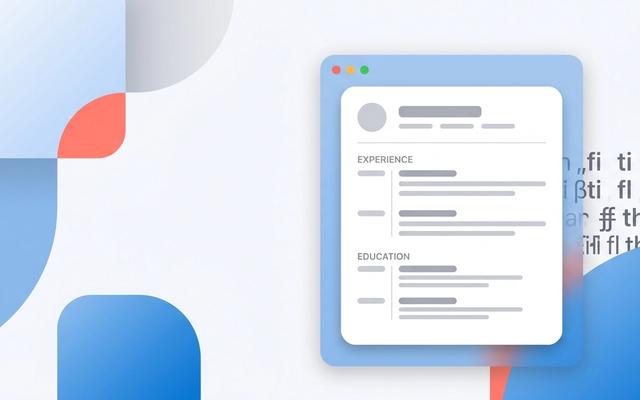
Apple Pages ships 9 free resume templates. Only a few survive ATS parsing intact. Which ones to use, the ligature setting that breaks the rest, and the export trick that fixes everything.
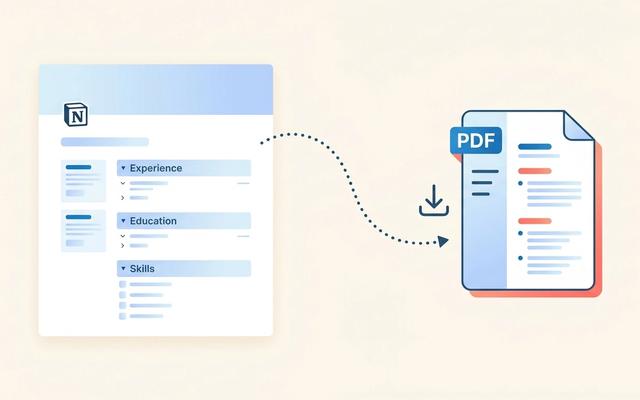
Notion is great for drafting a resume but its PDF export breaks most ATS parsers. 4 free templates compared, the export workaround, and when to just use a doc.
"Your title tells me what you did. I want to know what you accomplished." Full IT resume example with the certs, skills, and bullets that get callbacks.
"Entry level" postings want 2-3 years of experience. Here's how to write a resume that gets callbacks when you don't have them.

No full-time experience? Your coursework, projects, and campus involvement count. Full internship resume example with the sections that actually matter.

Marketing resumes live or die on numbers. Pipeline growth, conversion rates, ROI. A full example with the metrics and keywords that get callbacks.
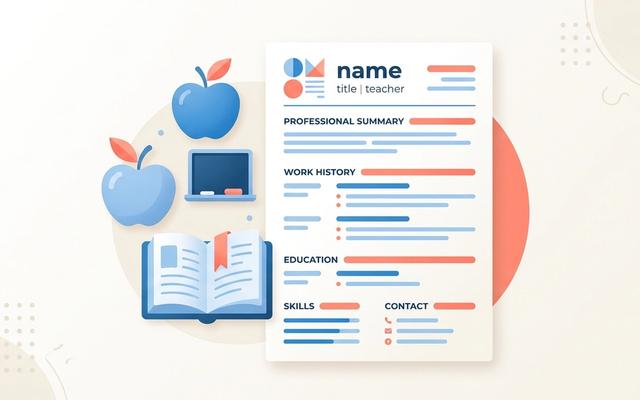
Teaching is results-driven. Your resume should be too. Full teacher resume example with achievement bullets, certifications, and the skills principals scan for.
BLS projects 36% growth for data analysts. Your resume needs SQL, Python, a viz tool, and numbers that prove you can turn data into decisions.

Nursing is task-heavy. Your resume shouldn't be. A full nurse resume example with the bullet rewrites and skills that get you callbacks.
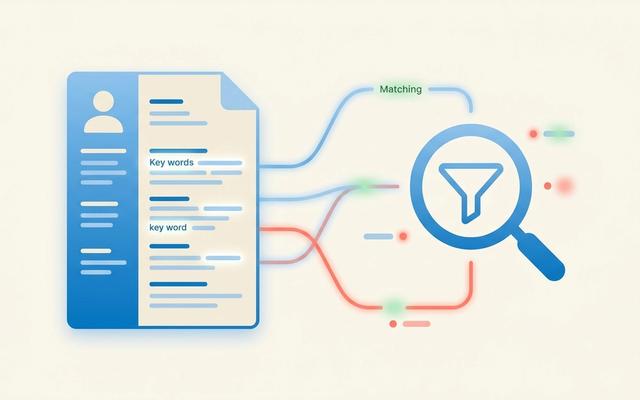
75% of resumes are filtered by ATS keyword matching. But keyword stuffing gets you rejected by humans. How to find the right keywords and use them naturally.