 Mirrai Careers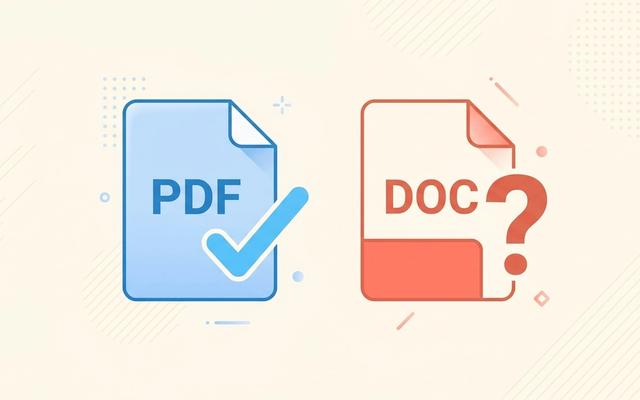
Resume: PDF or Word? Which Format to Send in 2026
PDF preserves formatting. Word is easier for some ATS. Here's when to use each and the "Print to PDF" trick most people miss.
Tag
25-36 of 49 articles
PDF preserves formatting. Word is easier for some ATS. Here's when to use each and the "Print to PDF" trick most people miss.
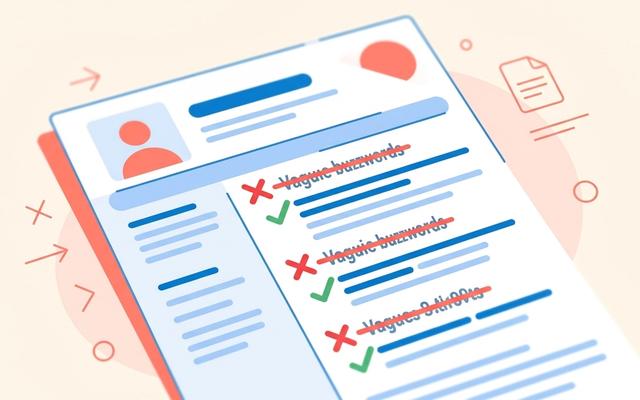
"Team player." "Detail-oriented." "Results-driven." Recruiters have read these 10,000 times. Here's what to write instead.
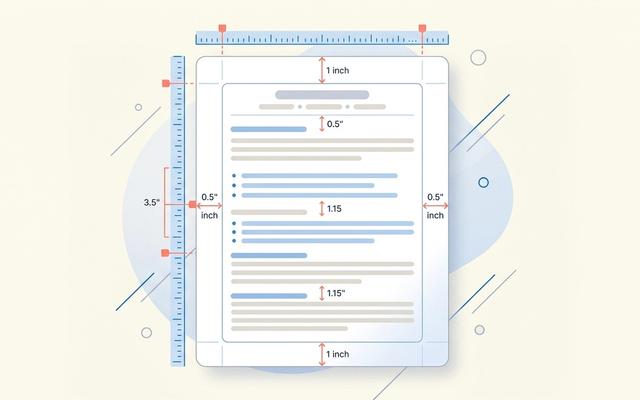
0.5-1 inch margins. 1.0-1.15 line spacing. 10-12pt font. The exact numbers, when to adjust, and when you've gone too far.
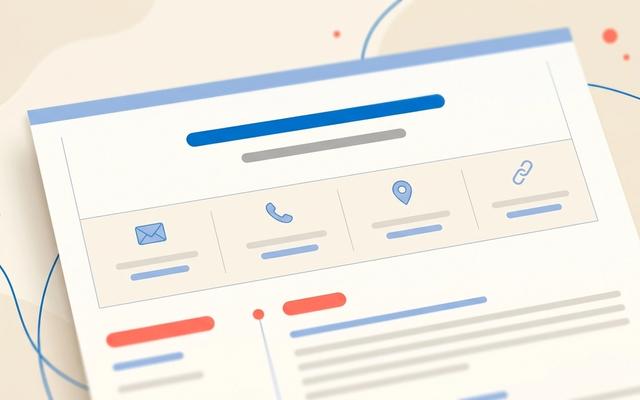
Recruiters spend 6-7 seconds scanning. Your header is the first thing they see. Name, phone, email, LinkedIn, city. Nothing else.
87% of employers check references. 34% eliminate candidates because of them. But putting them on your resume is almost always wrong.
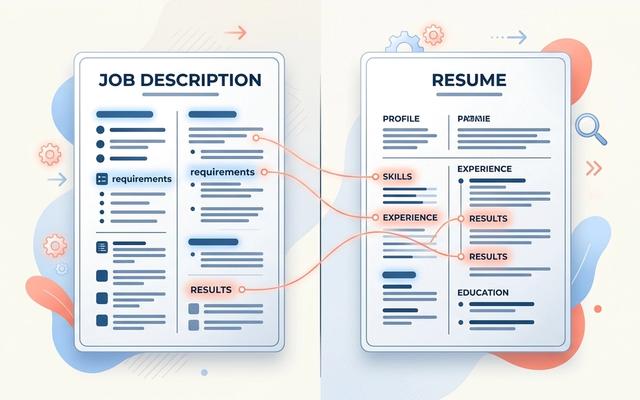
75% of resumes are rejected by ATS before a human sees them. Tailored resumes get 61% more interviews. Here's how to do it in 20 minutes.
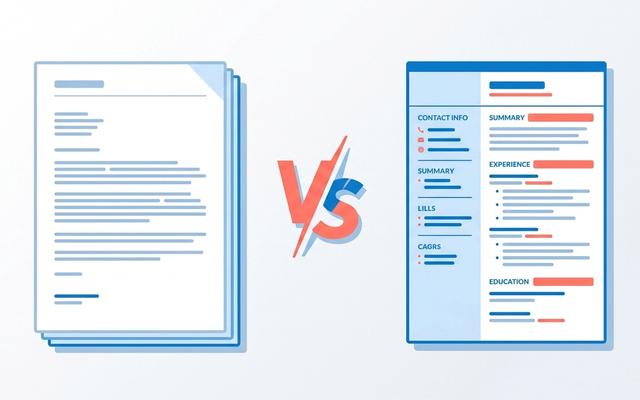
A resume lists what you have done. A cover letter explains why it matters for this specific job. You usually need both. Here is when each one counts and when you can skip.
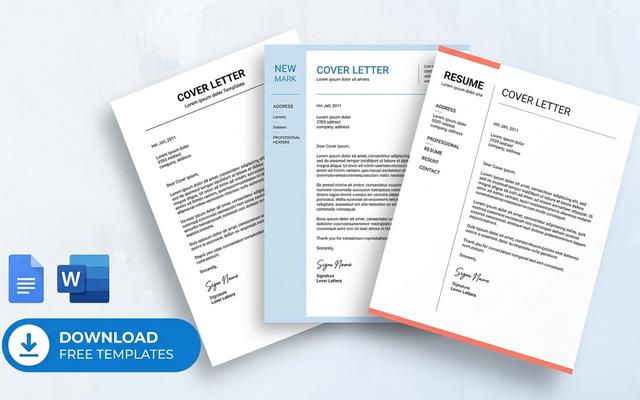
Generic cover letters get 12.5% callback. Tailored ones get 16.4%. The template is a starting point, not the finished product. Here are the best free options and how to make them work.
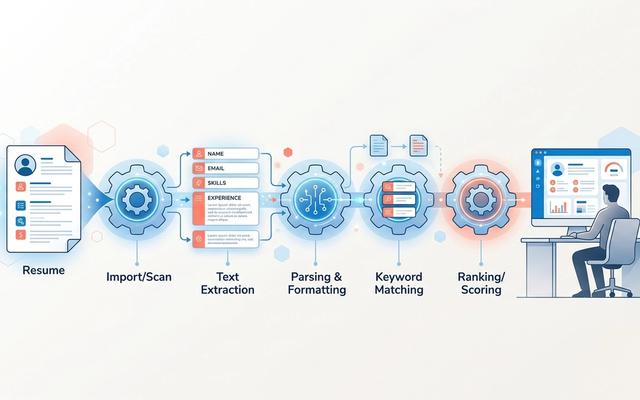
The "75% ATS rejection" stat is fabricated. 92% of recruiters say their ATS does not auto-reject. But 180 applicants compete for every hire, and your resume needs to be findable. Here is what actually matters.
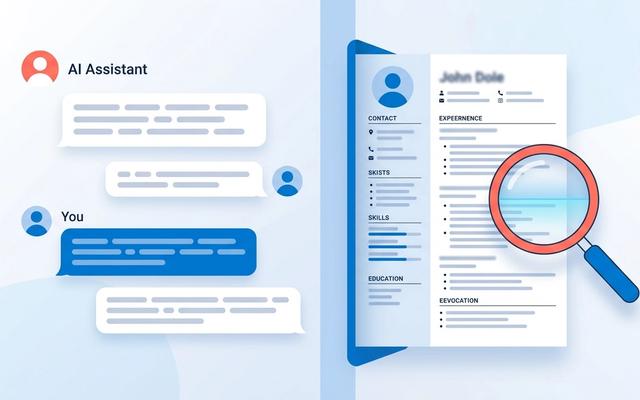
AI-assisted resumes get 8% more hires (MIT Sloan). But 33% of hiring managers spot AI content in under 20 seconds. Here are 10 prompts that work, and the line you should not cross.
35% of "entry-level" jobs require 3+ years of experience. That is insane, but it is reality. Here is how to write a resume when you have nothing to put on it.