 Mirrai Careers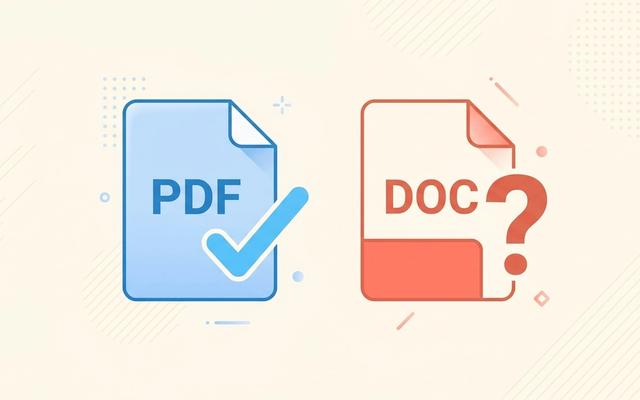
Resume: PDF or Word? Which Format to Send in 2026
PDF preserves formatting. Word is easier for some ATS. Here's when to use each and the "Print to PDF" trick most people miss.
Tag
13-24 of 27 articles
PDF preserves formatting. Word is easier for some ATS. Here's when to use each and the "Print to PDF" trick most people miss.
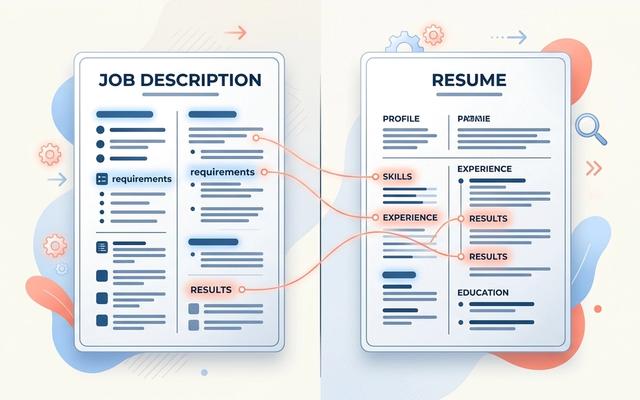
75% of resumes are rejected by ATS before a human sees them. Tailored resumes get 61% more interviews. Here's how to do it in 20 minutes.
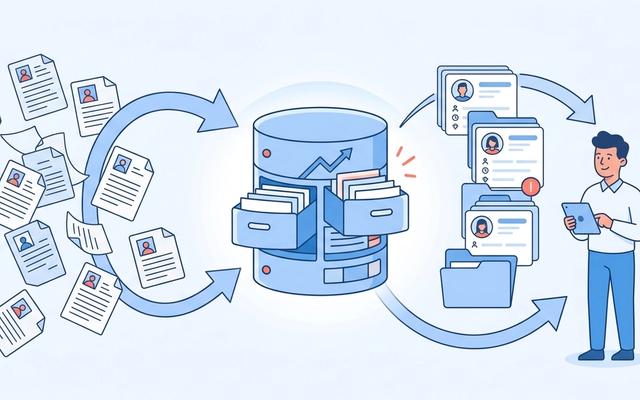
97.8% of Fortune 500 companies use an ATS. It is not a robot that rejects your resume. It is a database that makes you findable or invisible. Here is how it works.
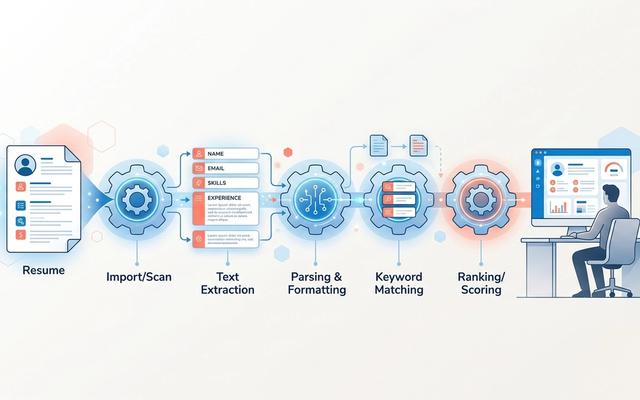
The "75% ATS rejection" stat is fabricated. 92% of recruiters say their ATS does not auto-reject. But 180 applicants compete for every hire, and your resume needs to be findable. Here is what actually matters.
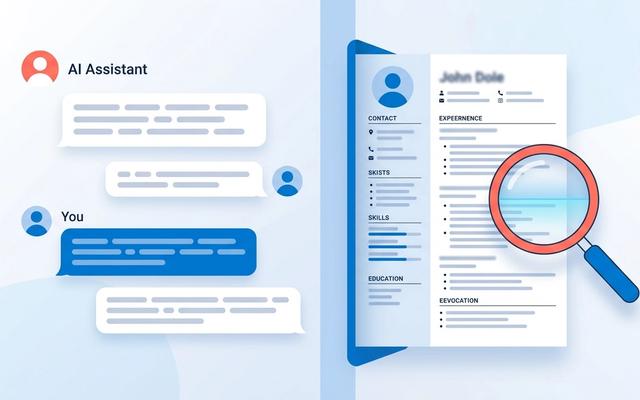
AI-assisted resumes get 8% more hires (MIT Sloan). But 33% of hiring managers spot AI content in under 20 seconds. Here are 10 prompts that work, and the line you should not cross.

The "75% of resumes rejected by ATS" stat is fake. 92% of recruiters say their ATS does not auto-reject. But poorly parsed resumes become invisible. Here is what actually matters.
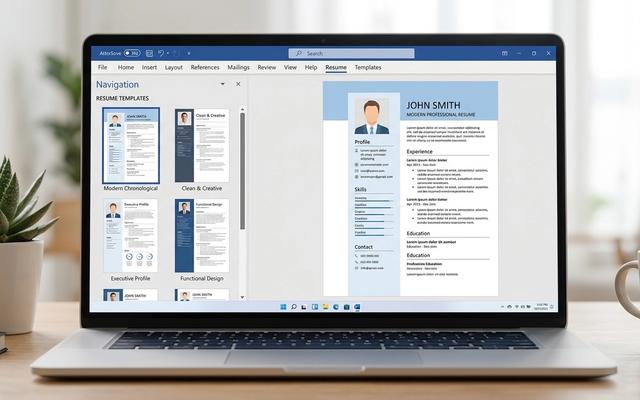
Word has 50+ built-in resume templates. Most use tables that break ATS parsing. Here are the ones that actually work, plus free alternatives and formatting tips.
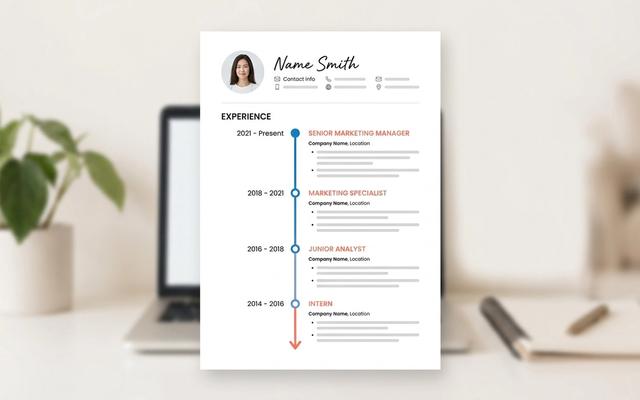
75% of executives prefer chronological resumes. Functional format is now listed as obsolete. Here is the format most recruiters expect, and when to use something else.

Only 38% of employers screen by GPA now (down from 75% in 2019). Here is exactly what to include in your education section, what to drop, and where to place it.
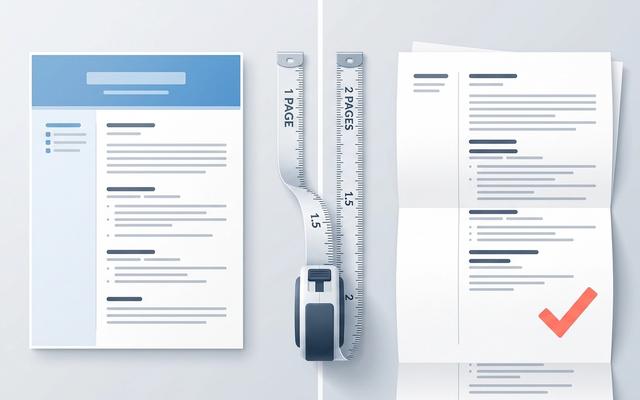
Two-page resumes get 2.3x more recruiter preference. But go over 600 words and your chances drop 43%. The real answer depends on 3 things.
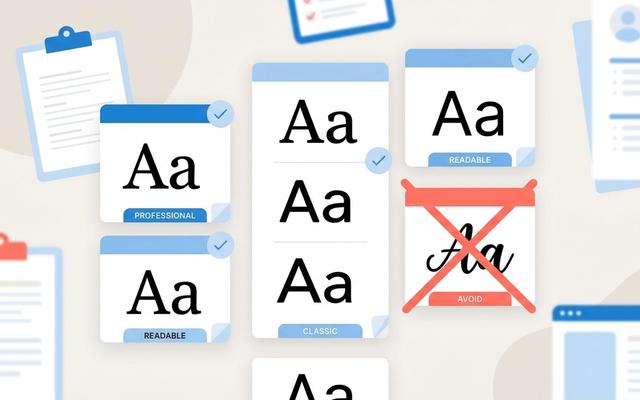
88% of recruiters have rejected resumes for font and formatting choices alone. Here are the 10 safest fonts, exact sizes for every section, and what ATS can parse.